
HARARE — The economic partnership between Zimbabwe and China is undergoing a structural transformation. Long anchored by infrastructure concessions and raw mineral extractions, bilateral engagement is pivoting toward high-value agricultural exports, in-country mineral beneficiation, and technological transfers.
According to joint statements released following the Joint Commission on Economic, Technical and Trade Cooperation (JETC) held in Harare, high-level diplomatic engagements have accelerated this realignment. As Beijing rolls out zero-tariff trade frameworks for African imports under the Forum on China-Africa Cooperation (FOCAC) declarations, Harare is leveraging the opportunity to advance its National Development Strategy (NDS1), shifting the economic narrative from primary commodity extraction to industrial partnership.
THE AGRICULTURAL FRONTIER: HORTICULTURE AND EXPORT DIVERSIFICATION
While raw tobacco remains a major component of bilateral agricultural trade—accounting for over $800 million annually according to Tobacco Industry and Marketing Board (TIMB) figures—rigorous sanitary and phytosanitary (SPS) protocols finalized by the General Administration of Customs of China (GACC) have unlocked access for high-value horticultural commodities.
Following earlier bilateral trade agreements covering citrus and avocados, Zimbabwean fruit growers are tapping directly into Asian consumer markets:
- Horticultural Trade Growth: According to market performance data from ZimTrade, the national export promotion agency, local producers expanded commercial blueberry and citrus shipments to China following GACC protocol clearances, targeting a projected $50 million-plus horticultural footprint in Asian markets.
- Zero-Tariff Advantage: Under China’s Ministry of Commerce policy offering 100% duty-free tariff lines to least developed and partner African nations, horticultural exports are scaling significantly, backed by expanding cultivation areas across Mashonaland and Manicaland.
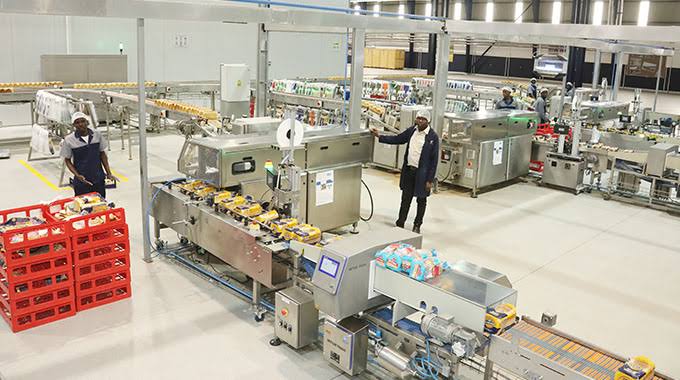
- Supply Chain Modernization: To meet strict phytosanitary standards monitored by the Ministry of Lands, Agriculture, Fisheries, Water and Rural Development, local private ventures are partnering with Chinese logistics firms to expand cold-chain storage facilities, automated sorting hubs, and high-capacity packaging infrastructure.
INDUSTRIAL BENEFICIATION AND STRATEGIC VALUE ADDITION
Beyond farming, the defining feature of contemporary Zimbabwe-China economic policy is the shift toward local value addition. In response to the Ministry of Mines and Mining Development’s ban on raw, unrefined lithium exports under the Base Minerals Export Control Act, major Chinese multinational investors have shifted capital from raw ore shipments to constructing domestic processing facilities.
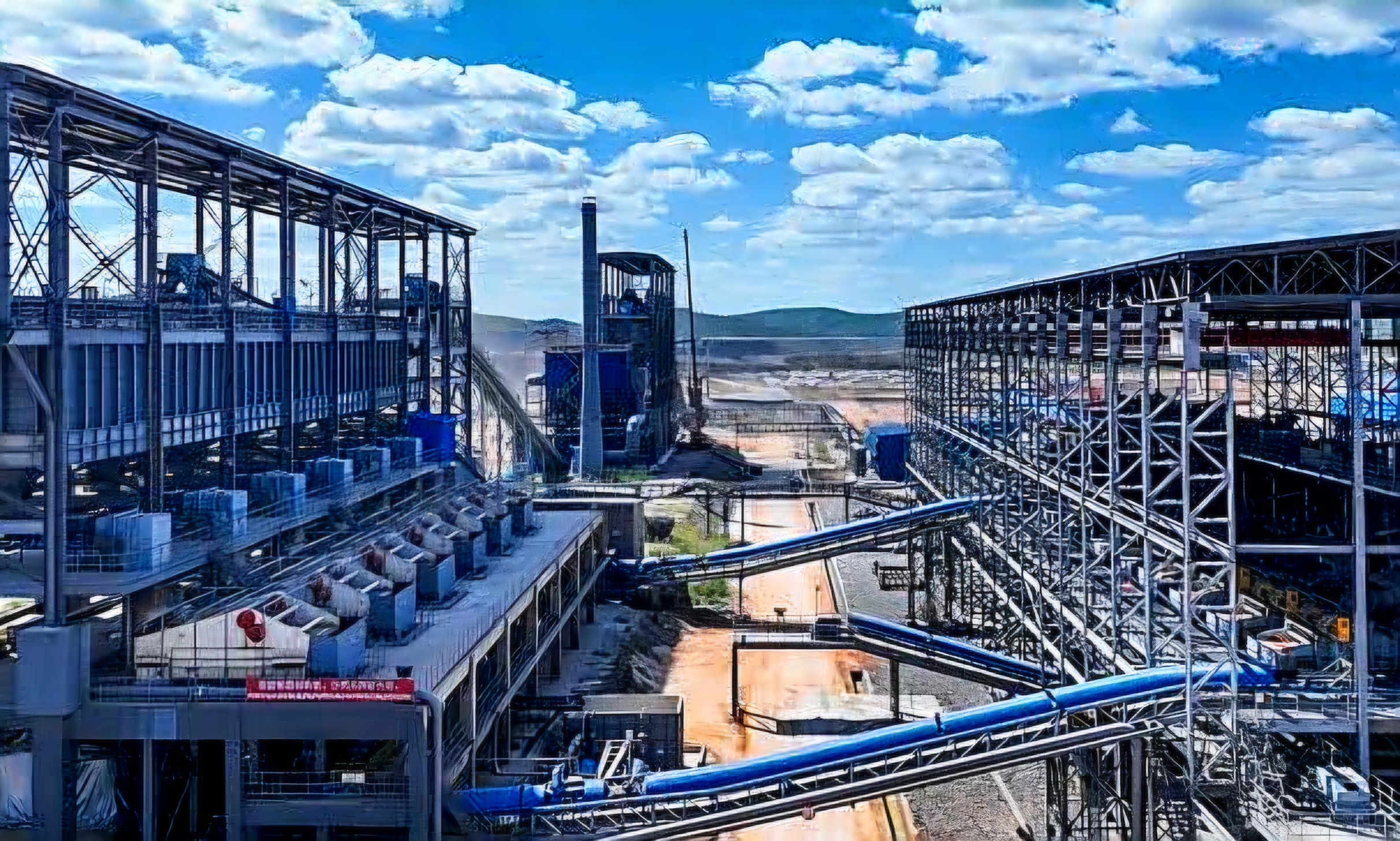
- Lithium Processing Hubs: Official investment disclosures confirm that conglomerates including Zhejiang Huayou Cobalt, Sinomine Resource Group, and Chengxin Lithium have deployed over $1 billion into processing facilities at Arcadia, Bikita, and Sabi Star. Rather than exporting raw spodumene, local processing ensures value capture within national borders.
- Heavy Industry Scaling: Development reports from the Ministry of Industry and Commerce highlight the operation of the multi-billion-dollar Dinson Iron and Steel Company (DISCO) plant in Manhize—a subsidiary of Tsingshan Holding Group—positioning Zimbabwe as a key regional steel processing hub.
- Bilateral Trade Figures: Statistics released by the Embassy of the People’s Republic of China in Zimbabwe record annual bilateral trade surpassing $3 billion, with Zimbabwe maintaining a favorable trade balance driven by high volumes of chrome, processed lithium, and agricultural yields.
STRATEGIC OUTLOOK FOR SOUTH-SOUTH COOPERATION
Addressing delegates at recent trade forums, officials from the Ministry of Foreign Affairs and International Trade emphasized that upcoming bilateral frameworks will prioritize solar energy projects, national power grid stabilization, and vocational technical training partnerships with Chinese industrial institutes.
For media platforms tracking Africa-Asia economic corridors, the Zimbabwe-China framework provides a concrete case study on how target trade protocols and value-addition mandates can assist developing economies in transitioning from raw commodity exporters to integrated industrial partners.