
Bridging Markets, Building Capacity
Zimbabwe-China Bilateral Trade Surges to Historic US$4.4B: How In-Country Value Addition and Zero-Tariff Access Are Shaping the New Economic Era
HARARE / BEIJING — The economic partnership between Zimbabwe and China has reached a landmark phase, with total bilateral trade expanding rapidly to US$4.4 billion, underpinned by a growing trade surplus of over US$738 million in Zimbabwe’s favor. Beyond raw volume, the nature of this bilateral engagement is undergoing a profound structural shift—moving from simple raw commodity extraction toward in-country industrial processing, technology transfer, and direct market access.
As the Zimbabwe China News Network (ZCNN) continues its strategic coverage of trade facilitation and industrial alignment, this feature outlines the three core economic drivers defining current relations.
Zim-China Bilateral Trade Pillars
- Value Addition & Industrialization: Shifting from raw mineral exports to in-country processing and heavy manufacturing.
- Zero-Tariff Policy & Agro-Exports: Unlocking Beijing’s consumer markets for Zimbabwean agricultural produce.
- Tech Transfer & Logistics Hubs: Deploying modern supply chains and advanced industrial machinery.
1. In-Country Processing & Industrial Value Addition
For years, the primary critique of Sino-African trade focused on the raw export of unprocessed mineral wealth. The modern Zimbabwe-China trajectory directly responds to this challenge through strict local beneficiation frameworks:
- Lithium Beneficiation: Following government restrictions on raw lithium ore exports, joint venture investments in massive spodumene processing plants (such as Prospect Lithium Zimbabwe, Bikita Minerals, and Zulu Lithium) have turned Zimbabwe into Africa’s largest processing hub, with lithium concentrate export revenues projected to reach US$1 billion.
- Steel and Heavy Industry: The deployment of the mega-scale Dinson Iron and Steel Company (DISCO) integrated steel plant in Manhize stands as a flagship example of heavy industrial investment. Displacing costly imported steel, the facility positions Zimbabwe as a regional steel exporter back to Asian and global supply chains.
2. Agro-Exports and the Zero-Tariff Trade Mechanism
A critical milestone in deepening bilateral trade is the expanding access for Zimbabwean agricultural products into Beijing’s domestic consumer market:
- Duty-Free Trade Agreements: Under Beijing’s zero-tariff policy framework covering key African partner nations, Zimbabwean agricultural exporters enjoy direct tariff relief, significantly boosting international competitiveness.
- Horticulture & Citrus Protocols: Citrus protocol agreements have opened seamless cold-chain export corridors for Zimbabwean oranges, lemons, and avocados directly to Chinese ports, diversifying Zimbabwe’s export portfolio beyond traditional cash crops like flue-cured tobacco.
3. Technology Transfer, Joint Ventures, and Logistics
Beyond trade balances, long-term industrialization depends heavily on human capital development, modern supply chain systems, and digital trade networks:
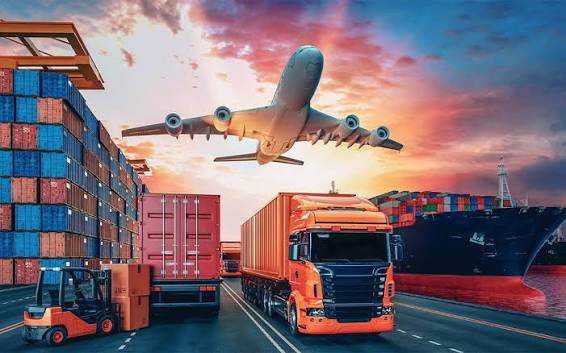
- Logistics & Trade Facilitation: Streamlined cross-border supply chains—facilitating direct product sourcing between industrial machinery suppliers in China and manufacturing hubs in Harare and Bulawayo—are driving down equipment acquisition costs for Zimbabwean SMEs and commercial operations.
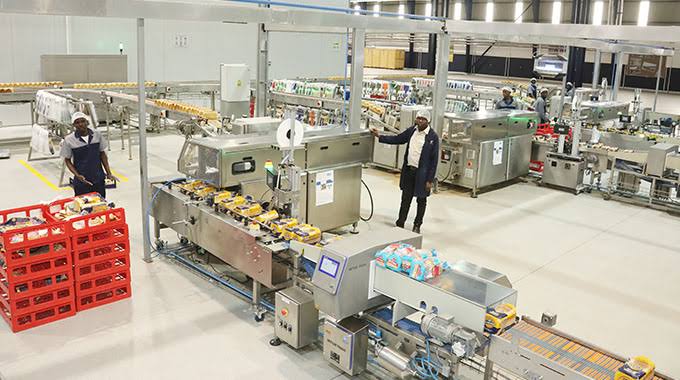
- Skills Transfer & Automation: Modern Chinese industrial investments are increasingly tied to vocational training and operational skills transfer, enabling Zimbabwean engineers, technicians, and local workers to operate automated processing machinery and digital logistics networks.
Looking Ahead: The Strategic Mandate
As highlighted in the latest macroeconomic data, the synergy between Zimbabwe’s rich resource base and China’s industrial technology framework offers a clear path toward sustainable economic modernization.
By insisting on local processing, establishing robust SME sourcing links, and maximizing duty-free market access, both nations are building a resilient model of South-South economic cooperation designed to endure.