

SME Sourcing & Supply Chains
Navigating Sino-Zim Trade Corridors: A Practical Guide for Local SMEs Sourcing Industrial Machinery and Hardware from China
As Zimbabwean entrepreneurs, agricultural processors, and manufacturing SMEs expand operations, access to affordable, heavy-duty industrial machinery, commercial hardware, and processing technology is critical. Direct procurement from Chinese manufacturing hubs—such as Guangzhou, Yiwu, Shenzhen, and Foshan—has become a primary engine for local business growth.
However, navigating international procurement requires a firm grasp of supplier verification, quality control, ocean and air freight logistics, and port clearance procedures. Understanding these core logistical steps enables local enterprises to reduce overhead costs, minimize risks, and build resilient supply chains.
Key Steps for Successful Cross-Border Sourcing
- Supplier Due Diligence: Verifying factory credentials, ISO certifications, and production capabilities prior to making deposits.
- Logistics & Shipping Optimization: Choosing between LCL (Less than Container Load), FCL (Full Container Load), and consolidators in Guangzhou or Shenzhen.
- Port & Customs Clearance: Navigating transit routes through Beira or Durban, together with ZIMRA customs compliance and duty frameworks.
1. Sourcing and Supplier Due Diligence
Finding reliable original equipment manufacturers (OEMs) is the foundation of direct import success. While B2B platforms like Alibaba, Made-in-China, and Global Sources offer instant access to thousands of suppliers, local buyers must exercise rigorous vetting before issuing payments:
- Factory Audit vs. Trading Company: Differentiate between direct manufacturers and trading intermediaries. Request factory registration licenses, video audits, and third-party pre-shipment inspection reports (e.g., SGS or Bureau Veritas).
- Technical Specifications & Voltage Compatibility: Ensure heavy industrial motors, agricultural processing plants, and solar inverters are customized to match local 220V/240V, 50Hz electrical standards and local operational environments.
2. Freight Shipping & Cargo Consolidation
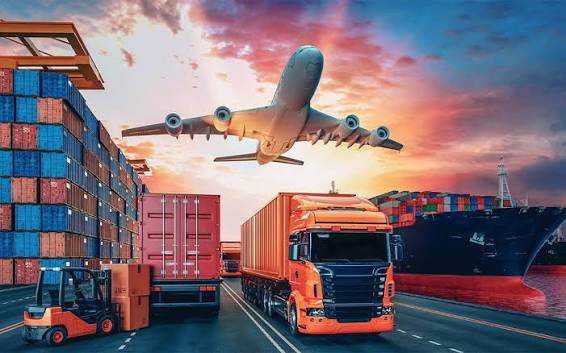
Selecting the right shipping mode directly impacts profit margins and equipment delivery timelines. Depending on cargo size, weight, and urgency, SMEs generally utilize three primary channels:
- Air Freight & Express Cargo: Best suited for urgent spare parts, electronics, and lightweight high-value hardware. Typical transit times from Guangzhou or Shenzhen to Harare range from 5 to 10 days.
- Ocean Freight (LCL & FCL): Essential for heavy machinery, brick-making equipment, solar setups, and processing lines. Shipping via Full Container Load (20ft or 40ft HQ) offers the lowest per-unit freight cost.
- Cargo Consolidation Warehouses: Partnering with Zimbabwean-focused freight forwarders operating consolidation warehouses in Guangzhou allows SMEs buying smaller quantities to share container space (LCL) securely.
3. Regional Transit Corridors & Customs Clearance
Once ocean freight arrives at Southern African sea ports, choosing the right transit route dictates final overland haulage efficiency:
- The Beira Corridor (Mozambique): The geographically closest ocean gateway for Harare and eastern Zimbabwe, offering shorter road transit distances and reduced trucking lead times.
- The Durban Corridor (South Africa): Offers higher container handling capacity and frequent shipping line vessel calls, entering Zimbabwe via the Beitbridge border post.
- Customs & Tariffs (ZIMRA): Working with experienced clearing agents ensures proper tariff classification (HS Codes). Qualifying capital equipment and productive machinery may benefit from specific duty concessions or rebate frameworks.
Looking Ahead: Strengthening Local Industrial Capacity
By mastering direct sourcing mechanics, quality verification, and efficient trade logistics, Zimbabwean SMEs can lower capital expenditure and acquire modern production equipment. Streamlining these cross-border supply chains ultimately boosts local manufacturing capacity, creates employment, and drives sustainable economic self-reliance.