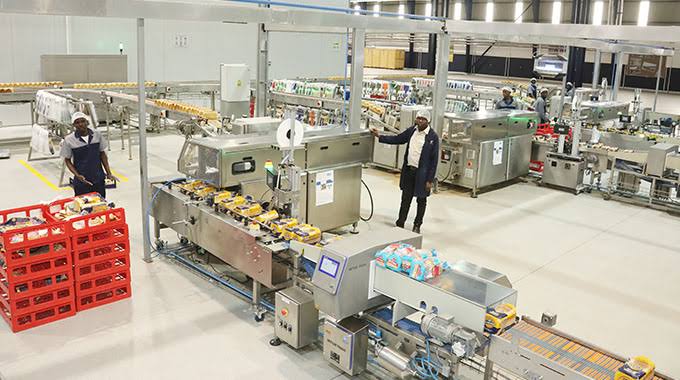


HARARE — For over two decades, the Zimbabwean retail economy has operated on a high-velocity import model. Consumer shelves across the nation—from capital electronics and mobile technology down to basic hardware and daily household consumables—have been heavily dominated by finished goods imported from regional commercial hubs and overseas manufacturing centers. While cross-border commercial trade kept retail supply chains active and provided immediate consumer access, economic strategists, trade policy experts, and industrial planners increasingly warn that an economy reliant purely on consumption remains critically vulnerable to global market shocks, foreign currency inflation, and low domestic job creation.
A fundamental, structural pivot is now taking root across Zimbabwe’s economic landscape. Driven by the targets of National Development Strategy 2 (NDS2) and the newly operationalized Zimbabwe National Industrial Development Policy (ZNIDP) II, the nation is transitioning away from acting merely as a destination for foreign finished goods. The emerging national priority is simple yet transformative: local manufacturing, domestic value addition, supply chain localization, and heavy technical industrialization.
1. THE IMPORT TRAP: WHY RETAIL ALONE CANNOT SUSTAIN LONG-TERM GROWTH
While the cross-border procurement of electronics, fast-moving consumer goods (FMCG), and hardware has provided vital livelihoods for thousands of small-to-medium enterprises (SMEs) and informal traders, relying on finished imports exposes the broader national economy to critical structural limitations:
- Capital Outflow and Foreign Currency Strain: Every finished item imported represents hard domestic currency leaving national borders to pay foreign factory workers, international logistics providers, and overseas manufacturing conglomerates rather than building domestic capital.
- Exporting Unprocessed Wealth at a Discount: Historically, Zimbabwe exported low-cost raw agricultural produce and unrefined mineral ores, only to import back processed food, finished structural steel, and assembled consumer technology at up to ten times the original value.
- Limited Skilled Employment Creation: Retail trade and importing create sales jobs and floor management positions, but domestic manufacturing creates structural engineers, machinery operators, industrial technicians, quality control managers, and technical assembly specialists.
- Supply Chain Vulnerability: Global geopolitical shifts, shipping container shortages, and international port disruptions directly translate to domestic price spikes and retail shortages when an economy lacks internal production capacity.
2. THE MINERAL & AGRICULTURAL BENEFICIATION MANDATE
The turning point for Zimbabwe’s new industrial era began with direct, decisive policy interventions in primary resource management. By placing strict export restrictions on unrefined raw materials—most notably raw lithium ore and chrome concentrates under the Base Minerals Export Control Act—the Ministry of Mines and Mining Development forced a structural shift from raw ore extraction to domestic processing.
The real-world impacts of this policy shift are actively reshaping national industrial hubs and driving billions in direct capital investment:
- Lithium Sulphate & Chemical Processing: Major mining ventures in Arcadia, Bikita, and Sabi Star have constructed multi-million-dollar chemical processing infrastructure within national borders. Rather than shipping raw spodumene concentrate overseas, local plants process ore into high-value lithium sulphate, capturing higher profit margins internally before export.
- The Manhize Steel Revolution: The multi-billion-dollar Dinson Iron and Steel Company (DISCO) plant in Manhize represents one of Africa’s largest integrated steel manufacturing facilities. Saving an estimated $500 million annually on steel imports, Zimbabwe is positioning itself to produce raw steel, heavy wire rods, and structural beams internally to support the entire regional construction sector.
- Agro-Processing & Value Capture: In agriculture, commercial ventures are moving beyond selling raw tobacco leaves and fresh fruit by investing in local oil extraction plants, juice concentrate facilities, and automated sorting and packaging hubs across Mashonaland and Manicaland.
- Ferrochrome Smelting Expansion: Upgraded arc furnace technologies deployed across the Midlands are ensuring that raw chrome ore is converted into high-grade ferrochrome locally, feeding directly into heavy metal manufacturing.
3. TECHNOLOGY TRANSFER, JOINT VENTURES, AND LOCAL ASSEMBLY
True industrialization requires more than heavy raw material processing; it demands technical know-how, localized assembly lines, and advanced technology transfers. Under the 10-year Local Content Strategy (2026–2035), the government targets increasing domestic resource utilization in manufacturing from 30 percent to 75 percent, opening vast opportunities for domestic joint ventures.
- Localized Hardware & Electronics Assembly: Rather than importing fully assembled smart devices, agricultural machinery, and power electronics, local industrial parks are preparing for Knocked-Down (CKD) assembly lines where local technicians assemble, test, and package hardware domestically.
- Institutional Testing & Quality Standards: Partnerships between Zimbabwean quality assurance bodies and international testing laboratories are establishing domestic technical standards for telecommunications hardware, electrical components, and industrial tools to ensure locally produced goods meet strict export certifications.
- Special Economic Zones (SEZs) as Growth Engines: Designated SEZs in Sunway City, Belmont, and Bulawayo are offering attractive tax incentives, dedicated high-voltage energy feeds, and streamlined customs logistics to attract domestic manufacturers and foreign technical partners.
- Localizing Spare Parts & Components: Establishing precision engineering workshops capable of fabricating replacement machinery parts, agricultural implements, and plastic molded enclosures locally to keep domestic factories running without waiting for foreign shipments.
4. THE ROAD AHEAD: BUILDING A SELF-SUSTAINING INDUSTRIAL ECOSYSTEM
For Zimbabwe to complete its evolution from an import-dependent consumer hub into a regional manufacturing powerhouse across Southern Africa, key economic pillars must align simultaneously:
- Uninterrupted Industrial Power Infrastructure: Continued expansion of baseload generation capacity alongside utility-scale industrial solar microgrids to ensure manufacturing plants and heavy processing smelters operate 24/7 without power disruptions.
- SME Integration into Factory Supply Chains: Bridging the gap between major manufacturing plants and local entrepreneurs, enabling SMEs to evolve from simple importers into authorized component suppliers, packaging providers, and regional distribution partners.
- Leveraging the AfCFTA Framework: Utilizing the trade protocols under the African Continental Free Trade Area (AfCFTA) to seamlessly export “Made in Zimbabwe” industrial steel, processed agricultural goods, and assembled hardware across the broader SADC region and African continent.
- Technical Skills Development: Expanding vocational training programs and engineering partnerships between technical universities and industrial firms to equip young workers with practical skills in robotics, CNC machining, automated logistics, and industrial maintenance.
The economic path forward is undeniable: trading foreign finished goods yields short-term retail profits, but building domestic manufacturing capacity builds permanent national wealth. By combining rich raw mineral reserves, fertile agricultural land, skilled technical talent, and strategic policy incentives, Zimbabwe is laying a foundation to control its own economic destiny and power its own industrial future.