
In recent years, the Zimbabwean government has recognized the critical role that small and medium-sized enterprises (SMEs) play in driving economic growth and job creation. To support these businesses, particularly those reliant on importing machinery from China, various incentives have been introduced. These measures aim to ease the financial burden on SMEs, streamline operations, and enhance productivity.
1. Import Duty Exemptions
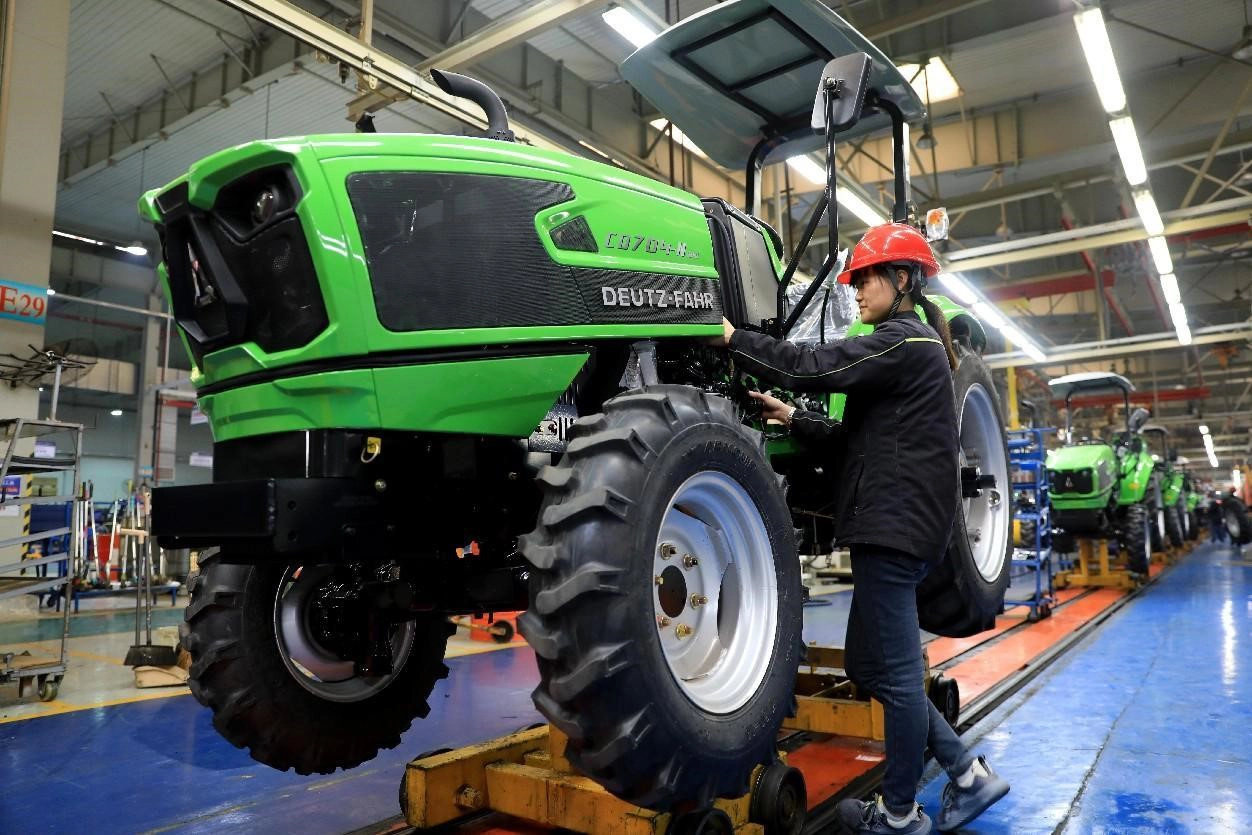
One of the most significant incentives is the provision of import duty exemptions for specific categories of machinery essential for business operations. The government has streamlined processes to allow SMEs to import necessary equipment without incurring heavy duties, thereby reducing overall costs and facilitating easier access to modern technology from China.
2. Access to Low-Interest Loans
To further bolster SMEs, the government has partnered with local financial institutions to offer low-interest loans aimed at purchasing machinery. These loans are designed with flexible repayment terms, making it more feasible for SMEs to invest in high-quality equipment from Chinese manufacturers. This initiative not only aids in enhancing productivity but also promotes the adoption of advanced technology.
3. Tax Incentives
The Zimbabwean government offers various tax incentives to businesses that invest in capital goods. SMEs importing machinery from China can benefit from reduced corporate tax rates or tax holidays. These incentives encourage companies to upgrade their equipment, thus improving operational efficiency and competitiveness in both local and international markets.
4. Training and Development Programs
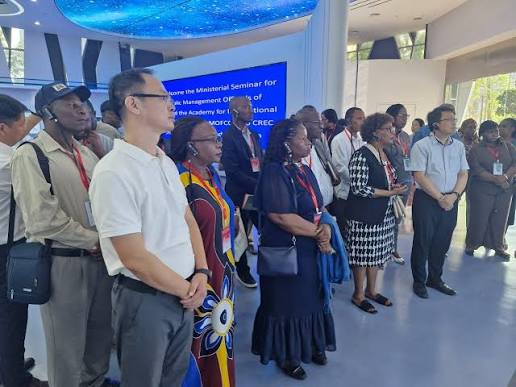
Recognizing that the successful implementation of new machinery requires skilled personnel, the government has initiated training programs aimed at equipping the workforce with the necessary skills to operate advanced machinery. Collaborating with Chinese experts and institutions, these programs help SMEs maximize the benefits of their new equipment, ensuring a return on investment.
5. Trade Facilitation Initiatives
The Zimbabwean government has also introduced trade facilitation initiatives aimed at simplifying the import process for businesses. These initiatives include streamlined customs procedures and improved logistics services, making it easier for SMEs to bring in machinery from China swiftly and efficiently. By reducing delays and bureaucratic hurdles, businesses can focus more on growth and less on logistics.
6. Support for Local Assembly and Manufacturing
To encourage local production and reduce dependency on imports, the government has launched initiatives that provide incentives for local assembly and manufacturing of machinery. SMEs that take advantage of these programs can benefit from subsidized materials and technical support, fostering an environment where local businesses can thrive while still utilizing components sourced from China.
Conclusion
The current incentives provided by the Zimbabwean government are designed to create a supportive environment for SMEs that rely on importing machinery from China. By reducing costs, easing access to financing, and enhancing workforce skills, these initiatives aim to empower businesses to become more competitive and innovative. As the landscape continues to evolve, it is crucial for SMEs to stay informed and take advantage of these opportunities to ensure sustainable growth and success in an increasingly competitive market.